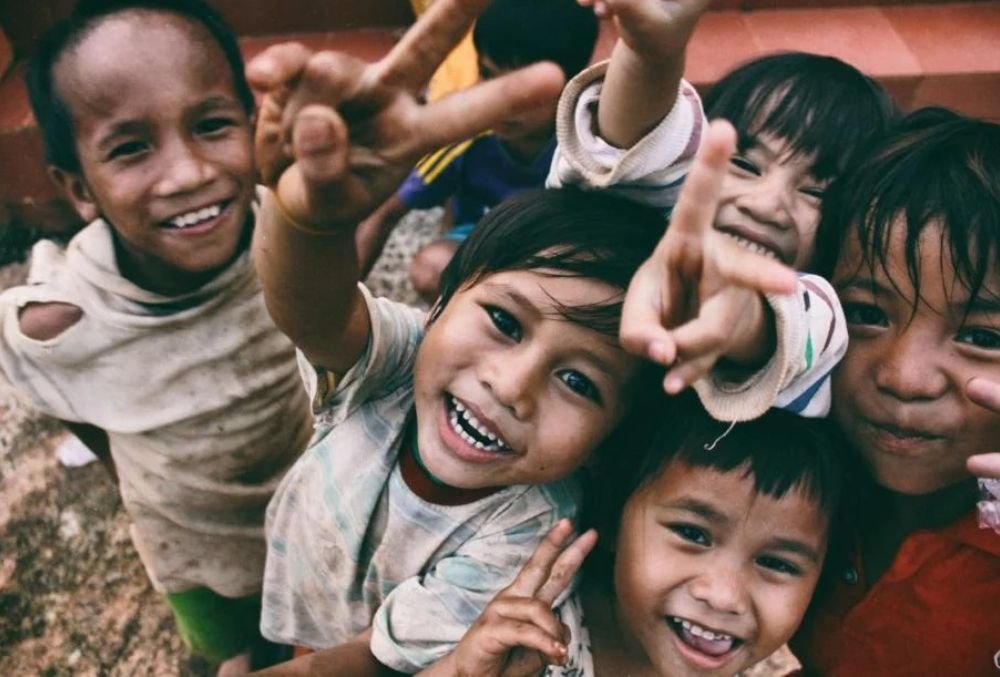
Education is often spoken about as something that, once started, will simply continue. For many children, that isn’t how it works. School can stop without warning. A family’s income changes. A parent falls sick. Rent increases. School expenses begin to feel impossible to manage. Attendance drops slowly. Then one day, the child just doesn’t come back. This happens even in cities like Vadodara, known for education and progress. Not because parents don’t value schooling, but because survival sometimes leaves families with painful choices. Sponsor Kids Education Vadodara exists to help prevent these quiet exits from education. It is about making sure a child can keep learning, without their future being decided by circumstances they never chose.
When Education Becomes Uncertain
Many families in Vadodara live with financial uncertainty. Work is often informal. Income changes month to month. When money is tight, school-related costs start to feel overwhelming. Books, uniforms, exam fees, and transport are not optional expenses, but they are often treated that way when families are under pressure. Education is delayed with the hope that things will improve later. For many children, later never comes. Some children attend school irregularly. Others stop going altogether because they fall behind and feel embarrassed. Over time, school begins to feel unfamiliar and unwelcoming. This is how children slip out of the education system without any single dramatic event.
Why Staying in School Matters So Much
Learning depends on routine. Children need consistency to understand lessons, build confidence, and feel comfortable asking questions. When schooling is interrupted, even capable children struggle to regain their footing.
Sponsorship helps by removing uncertainty. When a child knows that their education is supported, school stops feeling temporary. Attendance improves. Focus improves. Confidence follows slowly. To sponsor kids’ education in Vadodara is not about pushing children to perform. It is about giving them the space to learn at a steady pace, without constant disruption.
Education Changes How Children See Themselves
Education does not only affect marks or certificates. It changes how children think about who they are and what they can become. Children who stay in school longer tend to speak with more confidence. They learn how to express themselves. They begin to imagine futures that include choice and independence. In families where education has not been accessible before, one child staying in school can shift expectations. Parents begin to see education as possible rather than distant. Younger siblings follow the same path. Slowly, education becomes part of the family’s life. These changes are subtle, but they are meaningful.
The Role of Child Organisations in Vadodara
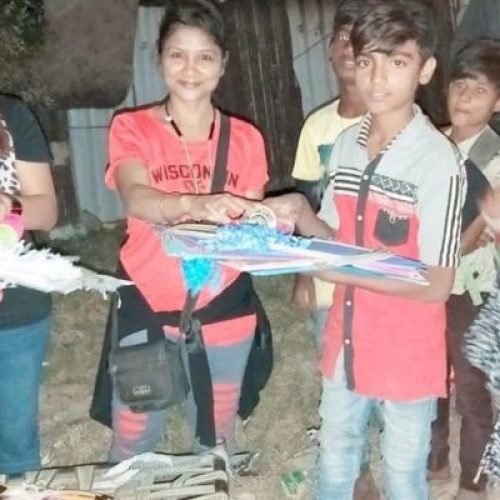
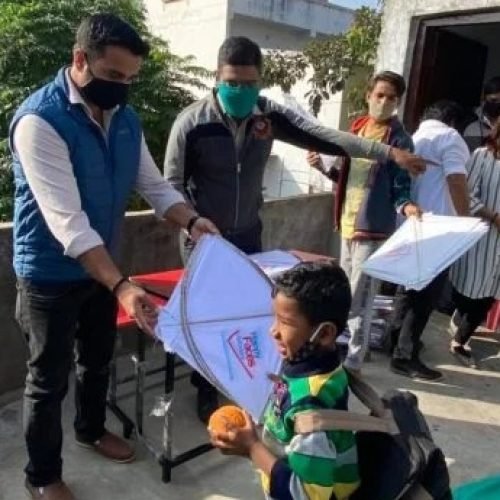
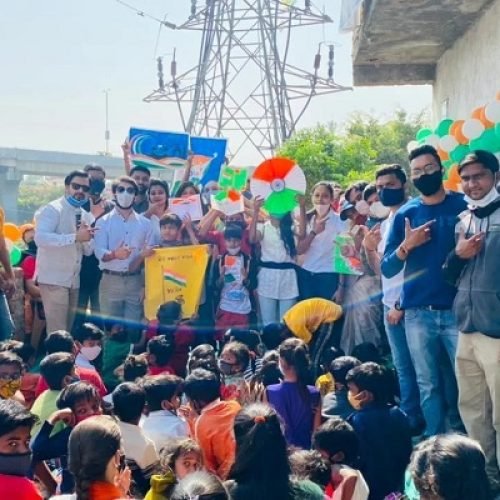
Keeping children in school requires close, ongoing work. It is not enough to enrol a child once and hope for the best. Families face challenges throughout the year, and children need support through those moments. Happy Faces Vadodara works with children whose education is at risk due to financial and social pressures. Their work focuses on consistency rather than quick outcomes. Children are supported over time, not just at the point of admission. By staying connected with families and schools, such organisations help ensure that children do not quietly disappear from the education system.
What Sponsoring Education Actually Supports
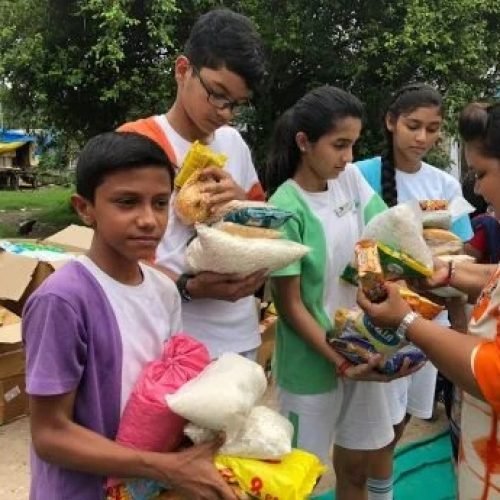
When people hear about educational sponsorship, they often think only of school fees. In reality, it supports many everyday needs that make learning possible. This includes books, stationery, uniforms, and basic learning materials. For children who have missed school or struggled academically, additional help is often needed to catch up. Health and nutrition also matter. A child who is tired, unwell, or hungry finds it difficult to concentrate. Educational support often includes attention to these basic needs because learning cannot happen without them. The most important element is reliability. When support is steady, children can plan their education without fear of sudden interruption.
Children Learn Better When They Feel Secure
Many underprivileged children carry responsibilities beyond their age. Some help support their families. Others manage household duties. These pressures affect their ability to focus in school. Supportive learning environments make a difference. When children feel safe and encouraged, they are more willing to participate and take risks in learning. Over time, this sense of security helps children reconnect with education. School becomes a place they belong to, not a place they might lose.
Trust Matters in Educational Support
People who choose to support education want to know that their contribution is used responsibly. Trust is essential. Organisations working with children have a responsibility to be transparent and ethical. Children must be treated with dignity, and supporters should have clarity about how their contributions are used. This trust allows educational programs to continue and grow over time.
Why Educational Support Is Still Needed in Vadodara
Cities grow, but not everyone grows with them. Rising costs, migration, and unstable employment continue to affect many families in Vadodara. Without support, children in these families are often the first to lose access to education. Sponsoring kids’ education in Vadodara helps ensure that these children are not left behind as circumstances change. It offers stability in situations where stability is otherwise difficult to maintain.
Thinking Long Term about Education
Education works slowly. Its results are not immediate. Progress happens year by year, often unnoticed. A child stays in school. A child completes another grade. Skills develop. Confidence grows. Eventually, these small steps lead to real opportunities. Supporting education requires patience, but the outcomes are lasting.
To sponsor kids’ education in Vadodara is to support continuity in a child’s life. It is a practical and thoughtful way to respond to inequality. Education does not need dramatic interventions. It needs consistency, care, and time. When those are provided, children are able to move forward, not all at once, but steadily. That steady progress is what changes lives.
FAQs
1. What does sponsoring a child’s education in Vadodara really mean?
It means making sure a child doesn’t have to leave school because life got hard at home. It’s not about doing something big or dramatic. It’s about quietly helping a child keep showing up to class, day after day, without worrying about whether this might be their last year.
2. Why do children in Vadodara end up dropping out of school at all?
Most of the time, it’s not one big reason. Things slowly pile up. Money becomes tight. Work is uncertain. Someone in the family gets sick. School expenses start feeling heavier each month. And eventually, school becomes something families feel they can’t afford to prioritise anymore.
3. How does sponsorship actually help a child stay in school?
When a child knows their education is supported, they stop feeling like school is temporary. They attend more regularly. They pay attention. They stop worrying about falling behind or being asked to leave. School starts to feel safe again.
4. Is sponsoring education only about paying fees?
No. Fees are just one piece. Children also need books, uniforms, stationery, exam support, and sometimes a little extra help when they’ve missed lessons. These are small things on their own, but together, they decide whether a child stays in school or slowly drifts away.
5. Why does it matter so much if schooling is interrupted?
Because children don’t just forget lessons. They lose confidence. When they return after a break, they feel out of place and embarrassed for not keeping up. Many stop asking questions. Staying in school continuously helps children feel like they belong.
6. How does education change a child beyond studies?
It changes how they see themselves. Children begin to speak more confidently. They start believing their opinions matter. They imagine futures that feel possible, not distant. Education gives them something steady to hold on to.
7. What role do organisations play in supporting children’s education?
They stay involved. They don’t disappear once a child is enrolled. They check in with families, work with schools, and step in when problems arise. This ongoing support is what stops children from quietly disappearing from classrooms.
8. Why are health and basic needs connected to education?
Because learning is hard when you’re hungry or unwell. A child might be present in class but unable to focus. Supporting education often means making sure children are healthy enough to actually learn.
9. How can someone trust that their support is truly helping?
Trust grows when things are done with care and honesty. When children are treated with dignity and supporters are kept informed, the relationship feels real. It’s not about numbers. It’s about responsibility.
10. Why does education need long-term support?
Because education takes time. Progress isn’t loud or fast. It happens quietly, through regular school days and small steps forward. Long-term support gives children the stability they need to keep going, even when life becomes uncertain again.
